
Key Highlights
Here are the key takeaways from Fountaingrove's unique history:
- Fountaingrove began in 1875 as a utopian colony in Santa Rosa led by mystic Thomas Lake Harris.
- The community, known as the Brotherhood of the New Life, was funded by its successful winery.
- Kanaye Nagasawa, a key figure, was one of the first Japanese immigrants in the U.S. and a master winemaker.
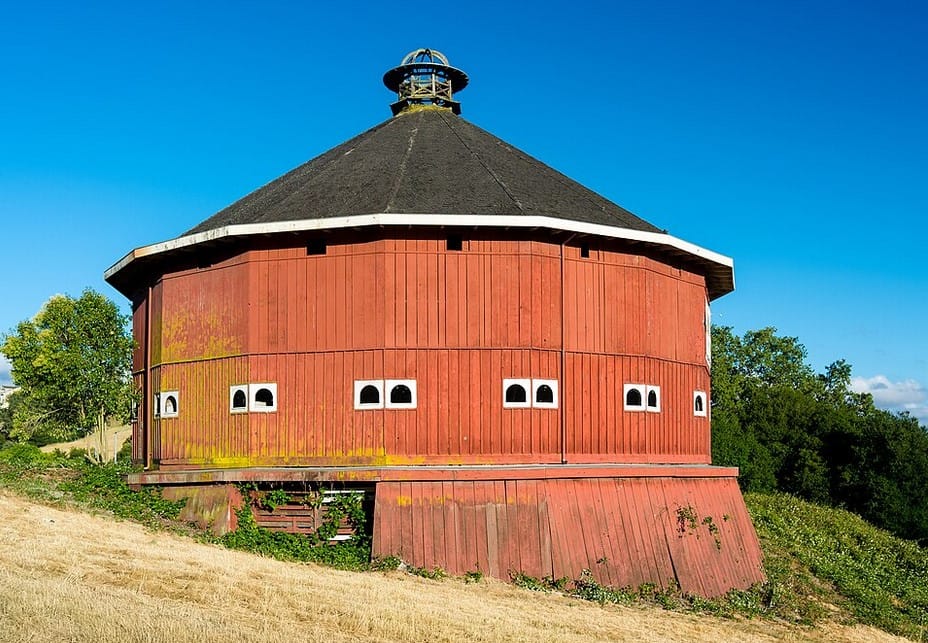
- The iconic Round Barn stood as a historic landmark and symbol for the area.
- Devastating wildfires in recent years destroyed many historic structures, including the Round Barn.
- Despite challenges, the legacy of Fountaingrove lives on in Santa Rosa's history and memory.
Introduction
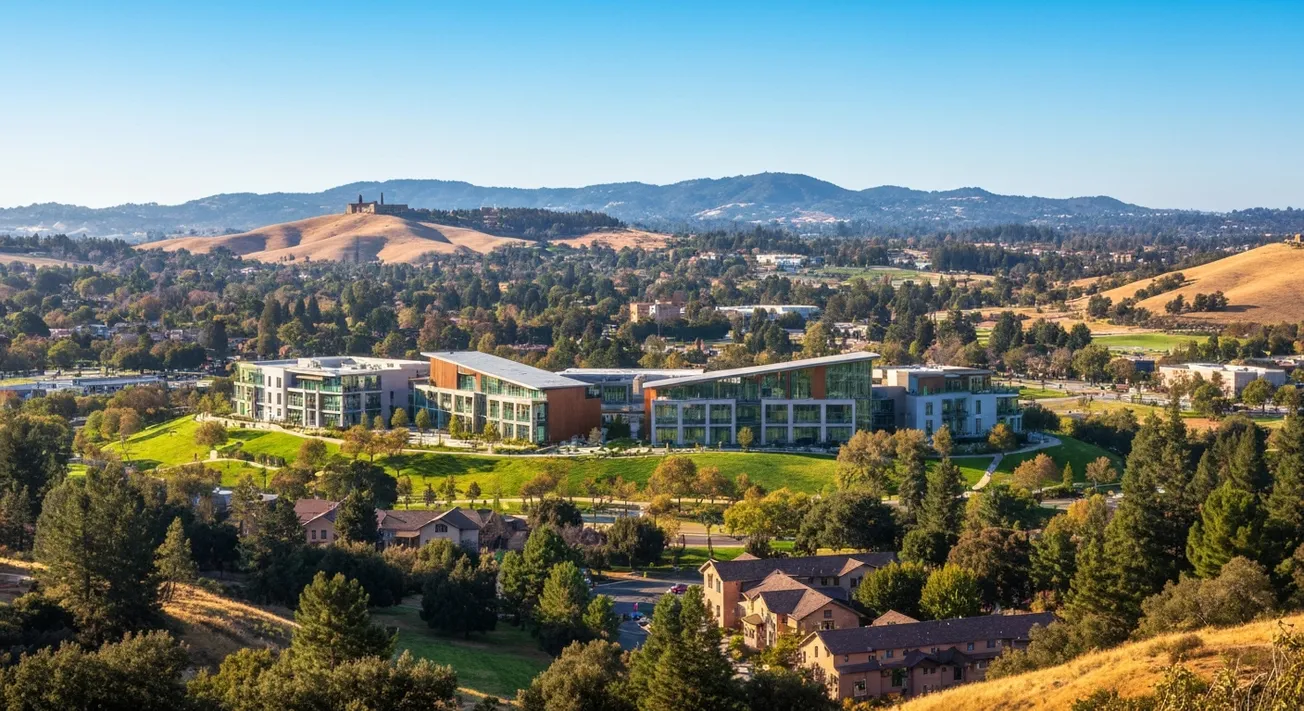
When you hear the name Fountaingrove, you might think of the modern Santa Rosa neighborhood known for its beautiful homes and golf course. But did you know its roots are in a 19th-century utopian experiment? Nestled in Sonoma County, Fountaingrove has a story unlike any other, blending spiritual quests, pioneering winemaking, and incredible resilience. This community’s past is filled with fascinating figures, architectural wonders, and significant challenges that have shaped the area into what it is today.
The Origins of Fountaingrove: Vision and Founders
The story of Fountaingrove begins not in California, but in New York with a man named Thomas Lake Harris. He was the leader of a spiritual group called the Brotherhood of the New Life, and he had a grand vision. Harris sought to create a perfect society, a utopian colony far from the influences of mainstream America.
In 1875, Harris moved his followers from New York City to Santa Rosa to bring this vision to life. They established Fountain Grove, a community founded on unique spiritual beliefs and agricultural enterprise. This move marked the beginning of one of Sonoma County's most interesting historical chapters.
Establishment of the Fountaingrove Community
Led by the charismatic Thomas Lake Harris, the Brotherhood of the New Life settled on a large piece of land in the Santa Rosa area. This property, which became known as the Fountaingrove Ranch property, was intended to be a self-sufficient commune where followers could live out their spiritual principles. Harris envisioned it as a real-world Eden.
The community wasn't just about spiritual beliefs; it was also a working enterprise. The rich land was perfect for agriculture, and soon the group established a thriving winery. This commercial success helped fund the community and allowed its members to live according to the tenets established by Harris.
Their arrival marked a unique chapter in the region’s history. The establishment of this community was a bold experiment in communal living, driven by a powerful vision of creating a "New Life" on Earth.
Thomas Lake Harris and the Utopian Experiment
So, what was this utopian experiment all about? At its heart was the mystic Thomas Lake Harris, a poet who claimed his writings were dictated by angels. His followers, who called him "Father Faithful," adhered to a unique set of beliefs that set their community apart. Harris preached about finding perfect, celestial mates but required celibacy in this life.
The core of the Fountaingrove utopian colony was the Brotherhood of the New Life. This group aimed to achieve immortality and live a life free from the perceived corruptions of the outside world. They lived and worked together, all while following the distinct spiritual guidance of Harris.
However, this quest for a perfect life wasn't without controversy. Harris’s leadership and the community's private nature eventually attracted negative attention, challenging the very foundations of their experiment.
Influential Figures and Their Legacies
While Thomas Lake Harris was the visionary founder, he wasn't the only influential figure in Fountaingrove's history. The community's practical success and lasting legacy owe a great deal to Kanaye Nagasawa, Harris's trusted right-hand man.
Nagasawa was a remarkable individual who became one of the most successful winemakers in the region. As one of the first Japanese immigrants to the United States, his story is one of innovation and perseverance, and his contributions were vital to Fountaingrove's prosperity. His work helped put the community on the map for more than just its unusual beliefs.
Contributions of Kanaye Nagasawa
Kanaye Nagasawa was a true pioneer. He originally arrived in the West as part of a secret mission to study Western culture when Japan was still closed to foreigners. To protect his family, he adopted a new name and dedicated his life to Fountaingrove. He was one of the very first Japanese immigrants to make a home in America.
His true genius emerged in his work at the old Fountaingrove winery. Nagasawa’s skill and dedication turned the winery into a commercial powerhouse, earning it international recognition and making it one of the most prominent Sonoma County wineries. His leadership was so crucial that he took over the community after Harris departed.
After Nagasawa’s death, the community eventually disbanded, with his legacy living on through historical accounts like a Rafu Shimpo article detailing the story of Nagasawa's heirs and the end of an era.
Other Notable Personalities in Fountaingrove History
Beyond its two most famous leaders, Fountaingrove was home to many dedicated followers. The community included a number of Japanese nationals who, like Nagasawa, played important roles in its agricultural and winemaking operations. Their collective effort was the backbone of the commune's success.
The community's history also features the journalist Alzire Chevallier, whose exposé in the San Francisco Chronicle in the early 1890s brought intense scrutiny and contributed to Thomas Lake Harris eventually leaving the area.
After Nagasawa passed away, the question of part ownership of Fountaingrove became complicated, especially with changing laws like the executive order that impacted Japanese land ownership. This marked the final chapter of the original utopian community.
Architectural Marvels of Historic Fountaingrove
Fountaingrove wasn't just known for its people; it was also famous for its unique structures. The community's buildings were a testament to their industry and vision, with several becoming iconic local landmarks. The ranch buildings, including the old winery buildings, showcased impressive craftsmanship.
The most famous of these was the Round Barn, a structure so distinctive it became a symbol of the entire area. These architectural marvels offered a physical connection to Fountaingrove's fascinating past, though many have since been lost to time and disaster.
The Round Barn: Symbol and Structure
No structure better represents Fountaingrove than the historic Round Barn. This iconic red barn was a functional part of the ranch and a beloved symbol of the area. Its unique shape made it instantly recognizable, and for generations, it stood as a proud reminder of the community's agricultural roots and history.
The history of the site is deeply connected to this building. It was more than just a barn; it was a historic landmark that captured the imagination of residents and visitors alike. Before its loss, it was a tangible link to the 19th-century utopian dream.
Today, the memory of the barn is preserved through historic photos and exhibits at places like the Museums of Sonoma County, ensuring this symbol of the area is not forgotten.
Feature | Description |
|---|---|
Identity | An iconic symbol for the Fountaingrove area and Santa Rosa. |
Original Use | A functional horse barn for the Fountaingrove Ranch's operations. |
Historical Status | A recognized historic landmark before its destruction. |
Legacy | Preserved in photos and memory by the community. |
Distinctive Home and Community Features
The spirit of Fountaingrove's unique history can still be seen across the neighborhood today. As the community entered a new millennium, development covered a wide swath of the Fountaingrove neighborhood, but echoes of its past remain. You can see it in community features that nod to its origins.
Some elements are inspired by the founders' celestial beliefs. For instance, the idea of a celestial sphere, central to Thomas Lake Harris’s teachings, is sometimes reflected in modern designs and art. You might even find artistic representations in the form of murals that tell the story of the area’s past.
The original community’s distinctive home and building styles also set a precedent. Key features included:
- The use of massive stone winery buildings.
- Some of the earliest industrial uses of basalt stone in the region.
- A focus on creating a self-contained and architecturally unified community.
Enduring Challenges: Wildfires and Preservation
Fountaingrove's history is also a story of resilience in the face of immense challenges. Many of the community’s original buildings had fallen into a state of disrepair over the decades. This decline was tragically accelerated by recent natural disasters.
The 2017 Tubbs Fire and the earlier Hanly Fire swept through the area, destroying what remained of many historic structures. Historic photos of the old Fountaingrove winery are now all that remain of some buildings. These events highlighted the urgent need for preservation and sparked renewed local recovery efforts.
Impact on Historic Buildings and Local Recovery Efforts
The Tubbs Fire was devastating for Fountaingrove's historical legacy. The blaze consumed the iconic Round Barn and other remaining structures from the original community, many of which were already in a state of disrepair. This loss was a heartbreaking blow to the region's heritage.
The destruction brought national attention to Fountaingrove's unique story. The fires didn't just destroy buildings; they threatened to erase the physical memory of the Fountaingrove experiment. This tragedy galvanized the community and sparked local recovery efforts focused on preservation.
These efforts now center on honoring the area's history through storytelling, photo archives, and education. The goal is to ensure that the legacy of the utopian community, its leaders, and its architectural wonders endures for future generations.
Conclusion
In wrapping up our exploration of Fountaingrove, it’s clear that this community is a tapestry woven from visionary ideals and rich history. From the pioneering spirit of Thomas Lake Harris to the architectural wonders that dot the landscape, each element contributes to its unique charm. Despite enduring significant challenges, such as devastating wildfires, Fountaingrove has demonstrated resilience and dedication to preservation. As we reflect on the legacies of its influential figures and the evolution of its homes, it becomes evident that Fountaingrove is not just a place, but a story in motion. If you're inspired to learn more about this fascinating community, consider reaching out for a deeper dive into its history and current real estate opportunities.

Sign up for Sonoma County Navigator
Discover Sonoma County! Latest News, places to play, stay, eat, live, shop, learn and more!
No spam. Unsubscribe anytime.